
What is the Frank Lloyd Wright Foundation?
VISION
Our vision is a better world shaped by Frank Lloyd Wright’s legacy and ideas, inspiring how we live, learn, and build.
MISSION
We connect people to the continued relevance of Frank Lloyd Wright’s architectural legacy; we preserve the buildings, landscapes, and collections of Taliesin and Taliesin West; and we advance the impact of architecture and design.
We embrace Wright’s philosophy and transform it into actions for a thriving future.
Photo: © 2017, Andrew Pielage
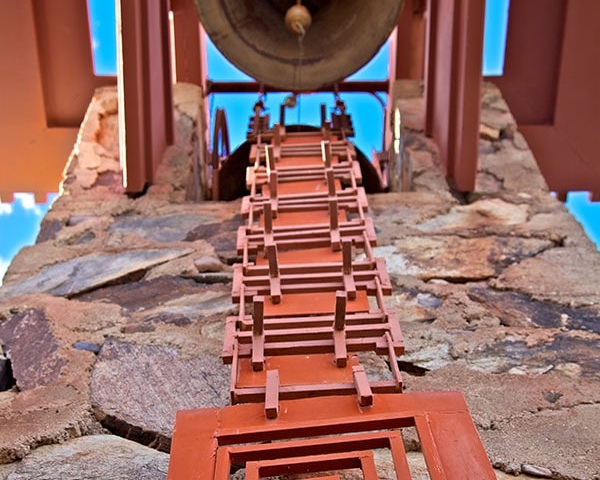
Preserving
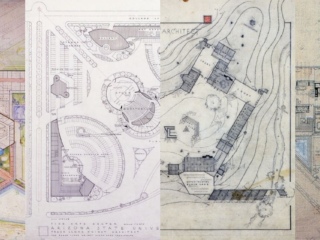
Preserving the buildings, landscapes, collections, and communities of Taliesin and Taliesin West, Frank Lloyd Wright’s own homes and studios and the most personal expressions of his work, to provide experiences that will inspire and challenge visitors to build and live better.
Photo: © 2017, Andrew Pielage
Learn More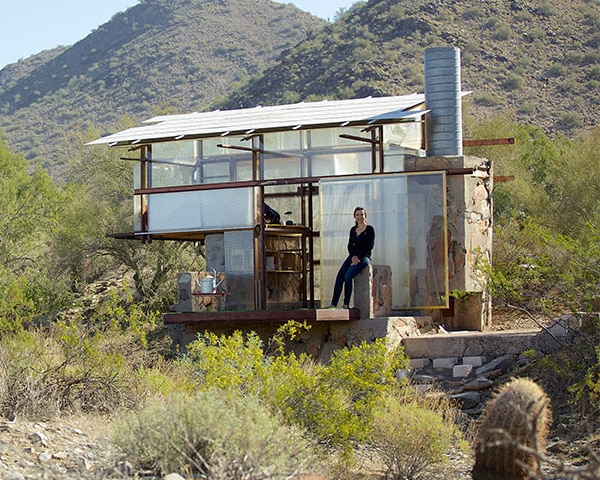
Influencing
Influencing the growth of architecture, design, and planning by collaborating with universities, scholars, practitioners, and industry at the intersection of nature and the built environment.
Photo: © 2017, Andrew Pielage
Learn More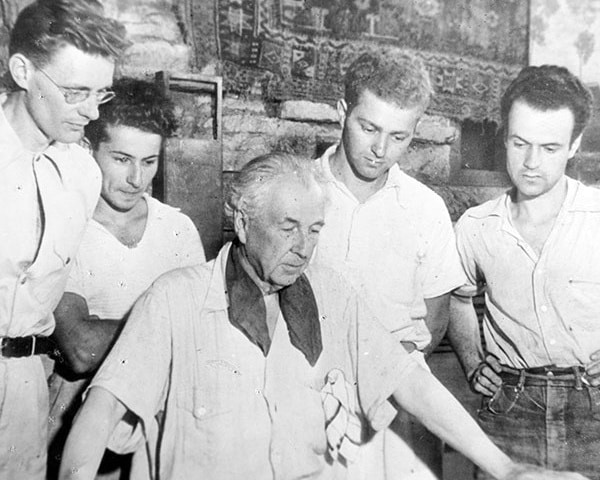
Educating
Educating a worldwide audience about the continued relevance of Wright’s architectural and cultural legacy through tours, exhibits, performances, school and youth programs, and digital engagement.
Learn MoreIDEA Policy
The Frank Lloyd Wright Foundation’s policy on inclusion, diversity, equity, and accessibility seeks to extend Frank Lloyd Wright’s core belief system in all of our work.
Licensing
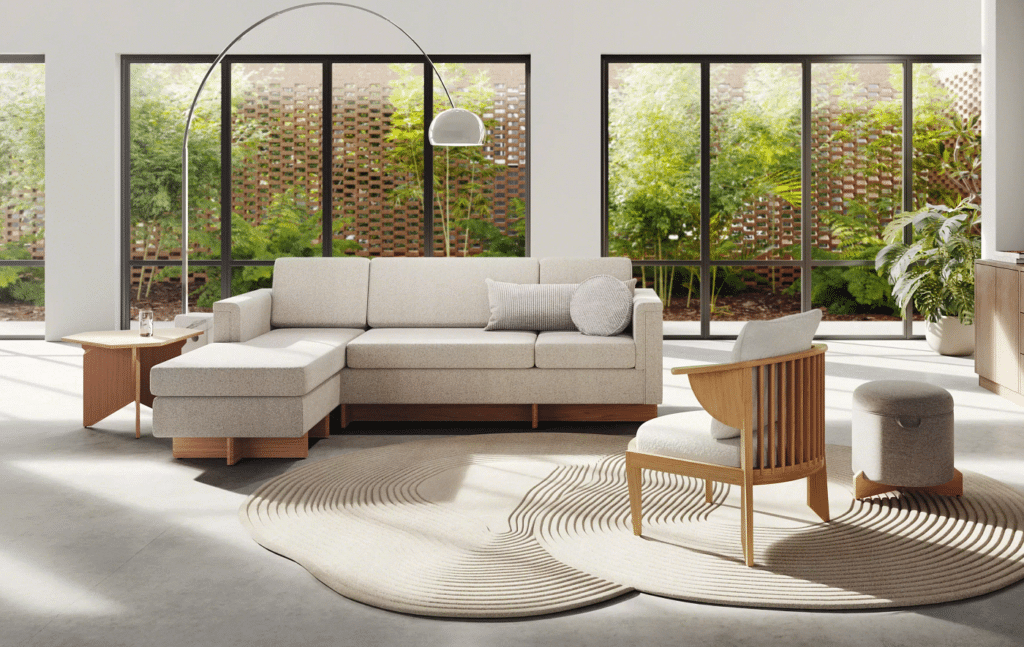
Frank Lloyd Wright licensed products are desired by people who appreciate great design and refined style.
In 1955, Frank Lloyd Wright began to license his work to make his designs more broadly available, rather than restricted to clients of his practice. For this project, Wright created original designs for the Taliesin Ensemble of products in partnership with leading design brands. Beginning with that original work and continuing today, Frank Lloyd Wright licensed products represent refined style, through the expression of the integral relationships between the natural and the man-made, and between material and design. The program encompasses more than one thousand primary design references, accompanied by the most iconic name in architecture and design.
Licensed products are available for purchase in the Frank Lloyd Wright Store at Taliesin West, online by visiting our shop and at independent and national retailers.
Photo: Steelcase